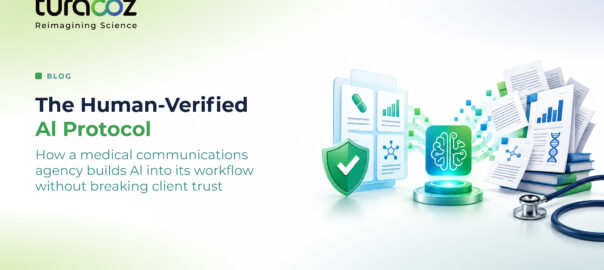
How a medical communications agency builds AI into its workflow without breaking client trust
AI has quietly become part of the everyday toolkit in medical writing; the real question is how to use it without losing human oversight. For me, this became a practical question as I started using AI in my day-to-day work. My experience has shown me where it truly adds value and where human judgment still matters most.
A few years ago, I was a microbiology graduate who did not even know medical writing existed as a career.
By the time I started exploring the field, AI was already becoming part of almost every conversation, and one warning kept coming up:
“Don’t get into medical writing. AI is going to replace writers.”
At the time, it was difficult not to wonder. If a tool could summarize papers, draft paragraphs in seconds, and polish language almost instantly, what room would be left for someone just entering medical writing?
Years later, I am still here—writing, reviewing scientific content, checking references, discussing edits, and learning something new with every project.
So, do I use AI?
Yes.
Does my agency use AI?
Yes, we do.
But that is no longer the most useful question.
The more important question is:
How can AI speed up drafting and QC without losing human oversight?
Researchers’ adoption of AI is increasing rapidly. Wiley reported that overall AI usage among surveyed researchers jumped from 57% in 2024 to 84% in 2025, whileAI use related to research and publication tasks rose from 45% to 62% over the same period (Wiley, 2025).
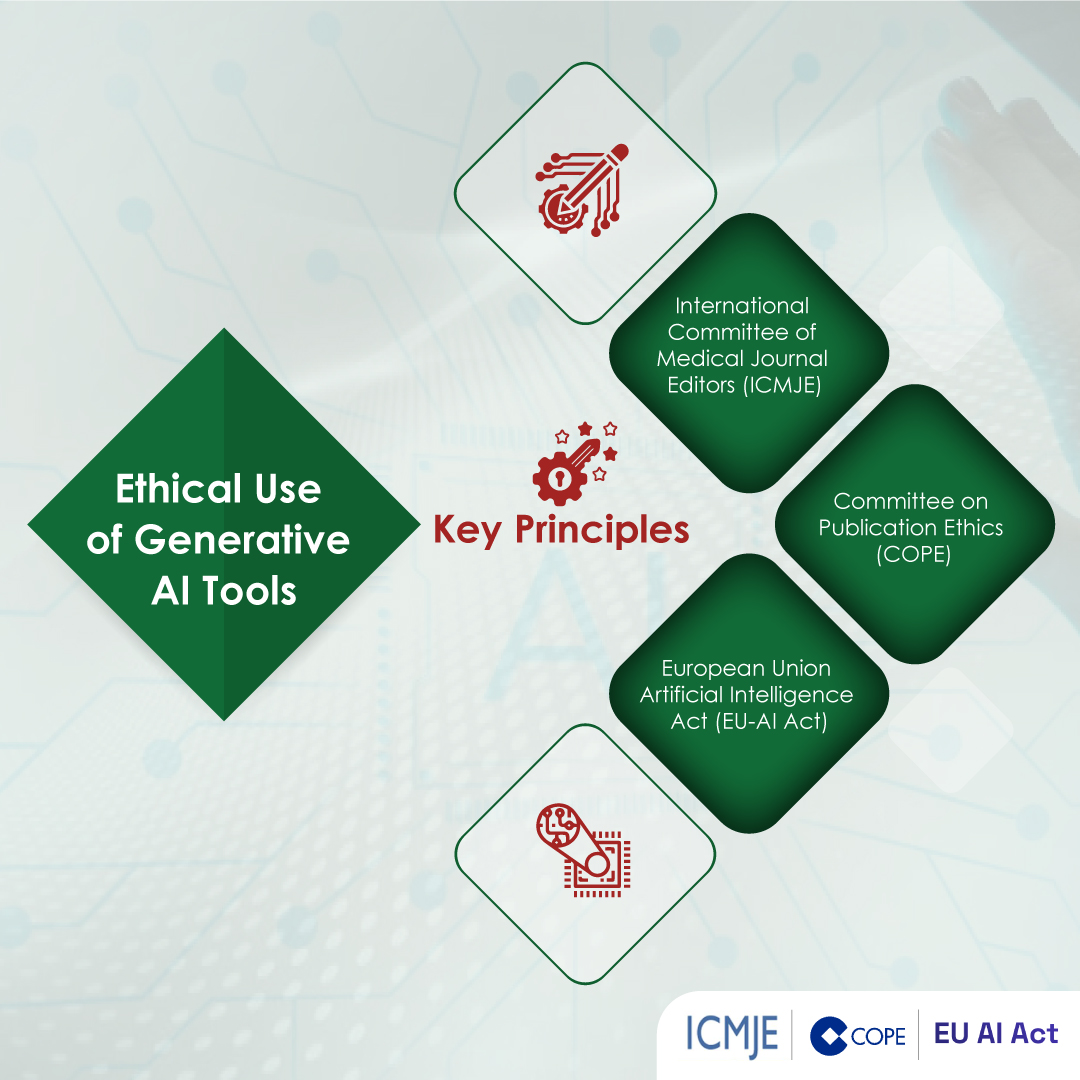
At the same time, the International Committee of Medical Journal Editors (ICMJE) draws a firm line: AI tools cannot be listed as authors because they cannot be held responsible for the accuracy, integrity, or originality of a piece of work. ICMJE also expects clear disclosure of AI use and places responsibility for verifying AI-assisted content on humans (ICMJE, 2026).
For a medical communications agency, that means AI cannot simply be used whenever someone finds it convenient. It needs boundaries.
We use AI, but not indiscriminately and not simply because it can make a task faster.
In medical writing, speed only counts for something if scientific accuracy, confidentiality, and integrity remain protected.
A polished paragraph means nothing if the reference behind it does not exist. A quick summary is worthless if it changes the underlying meaning of the evidence. And no efficiency gain is worthwhile if it puts unpublished or confidential client data at risk.
That is why, for us, integrity comes first.
Where AI genuinely helps in medical writing
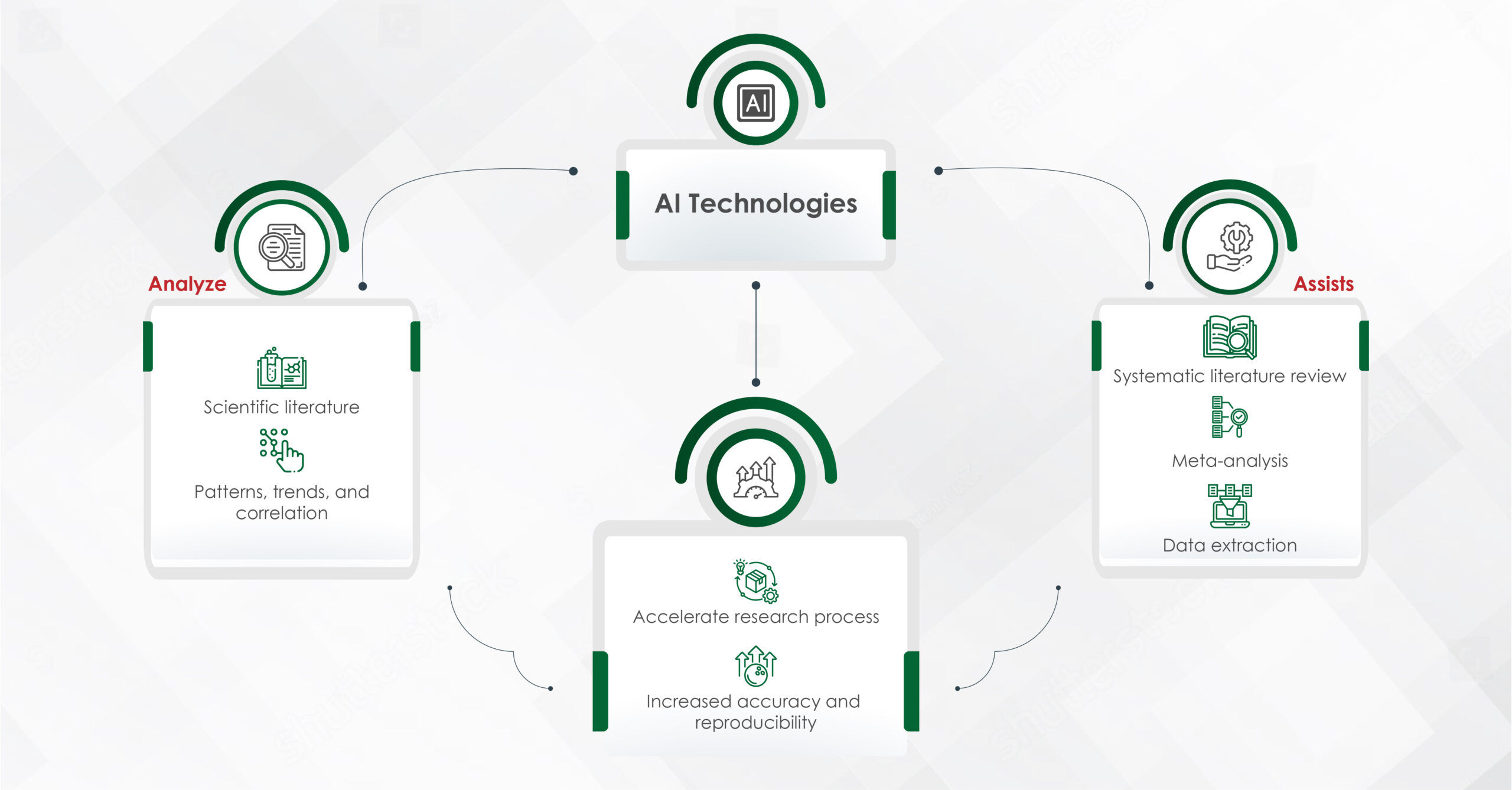
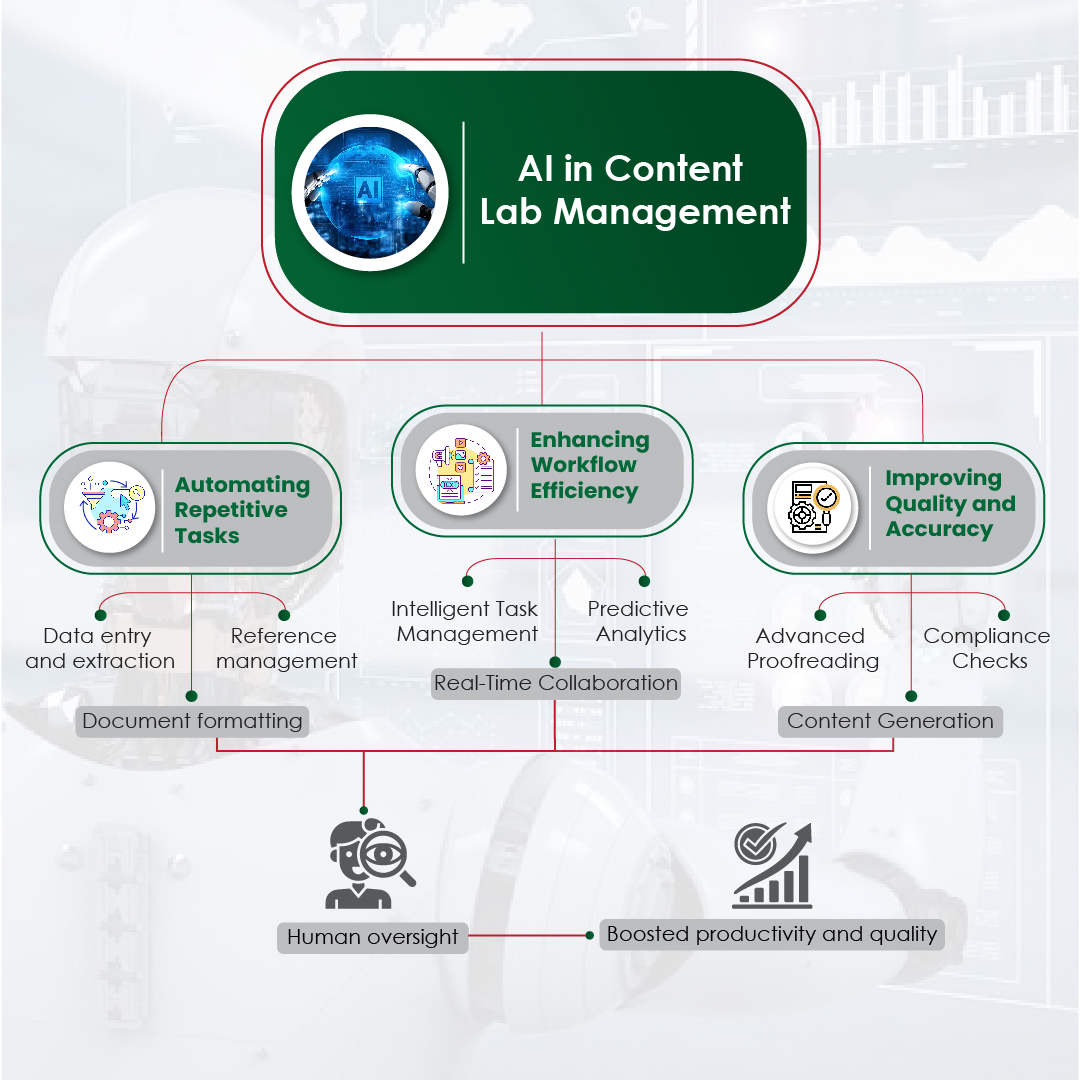
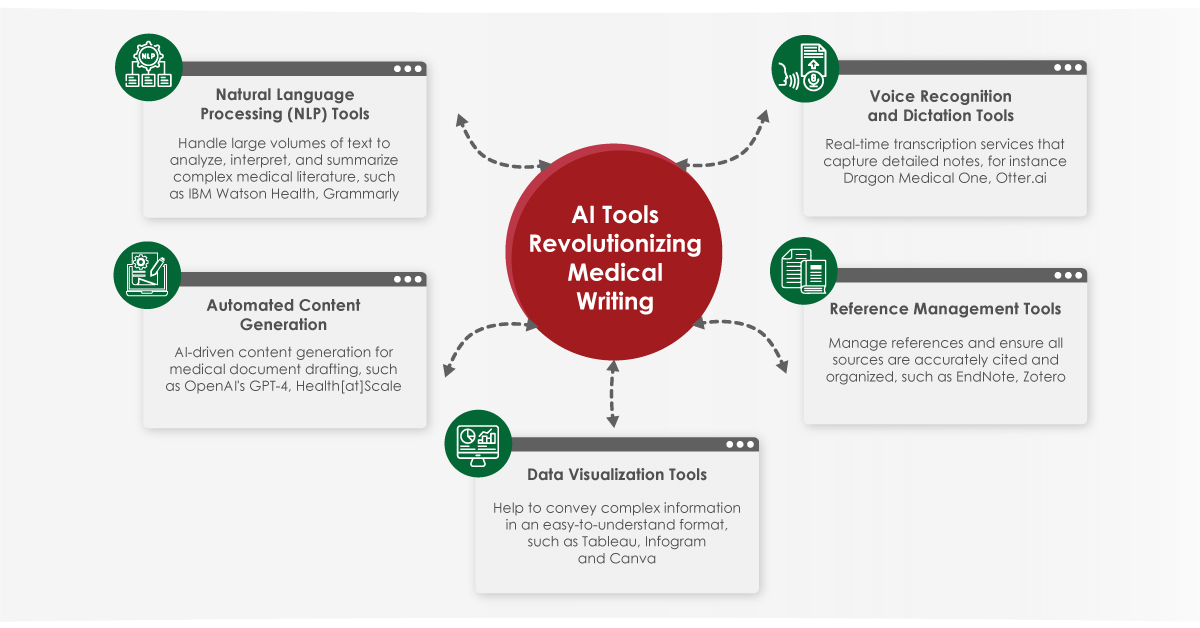
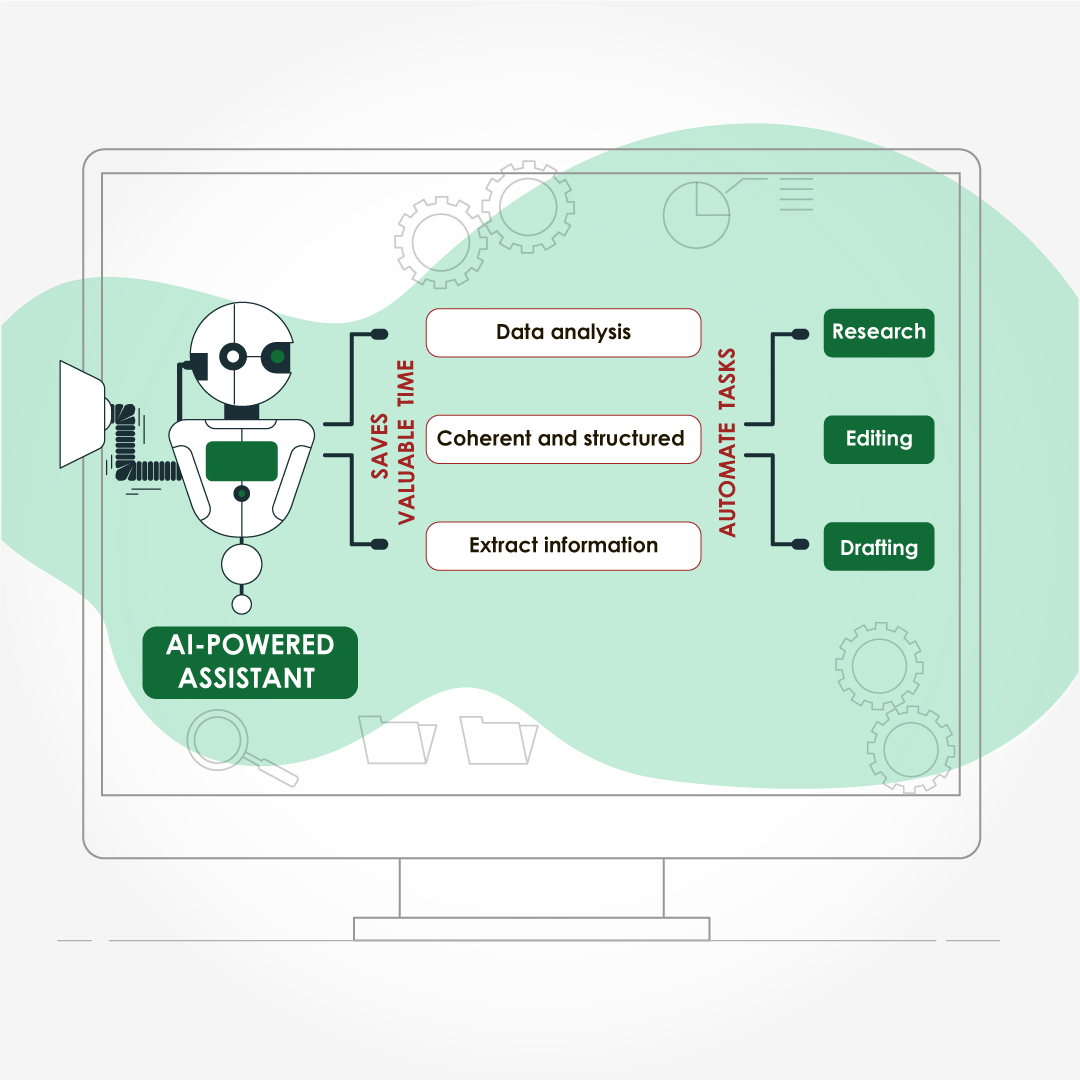
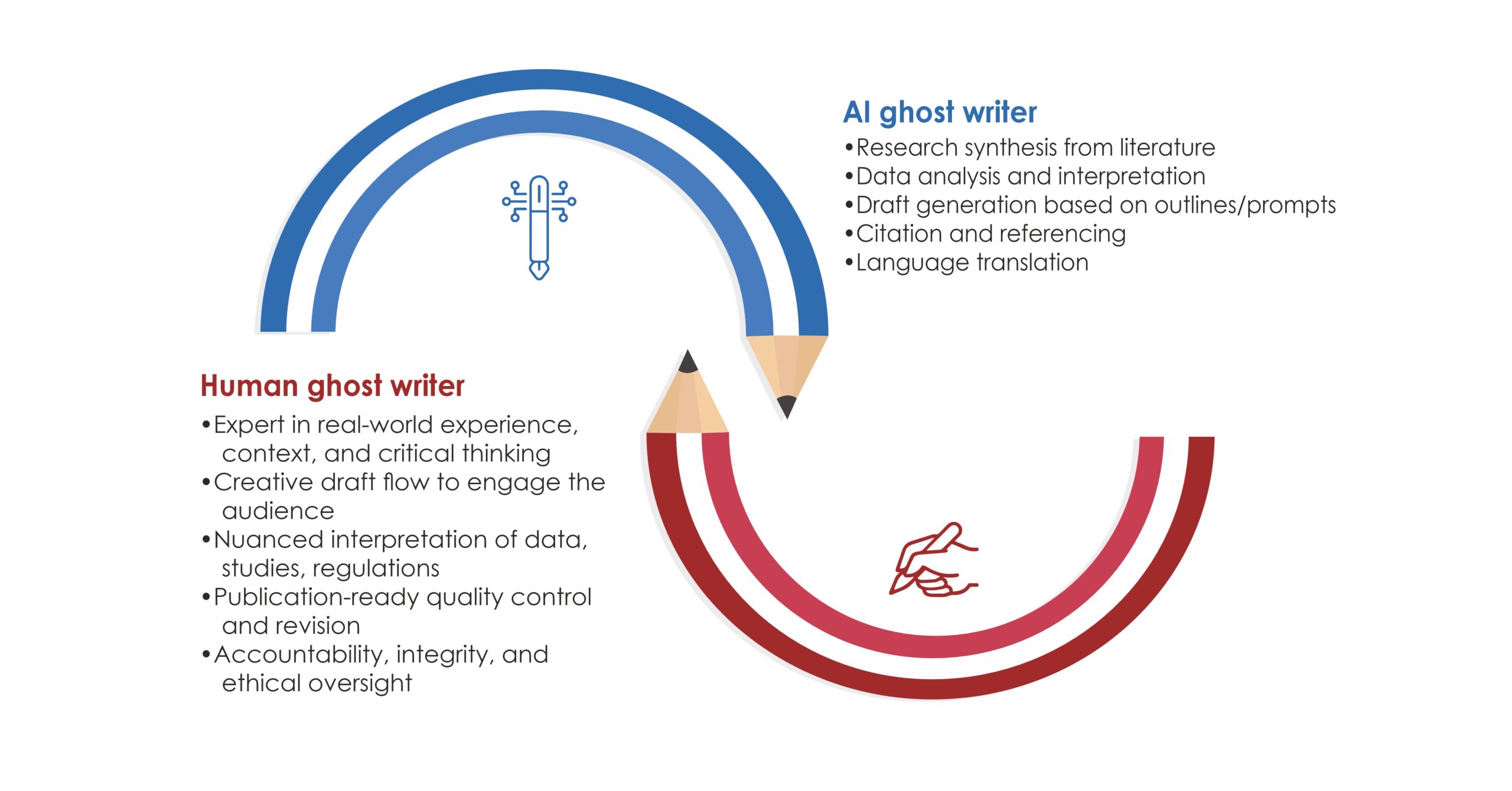
When used for the right tasks, AI can take much of the mundane, repetitive work out of the medical-writing process.
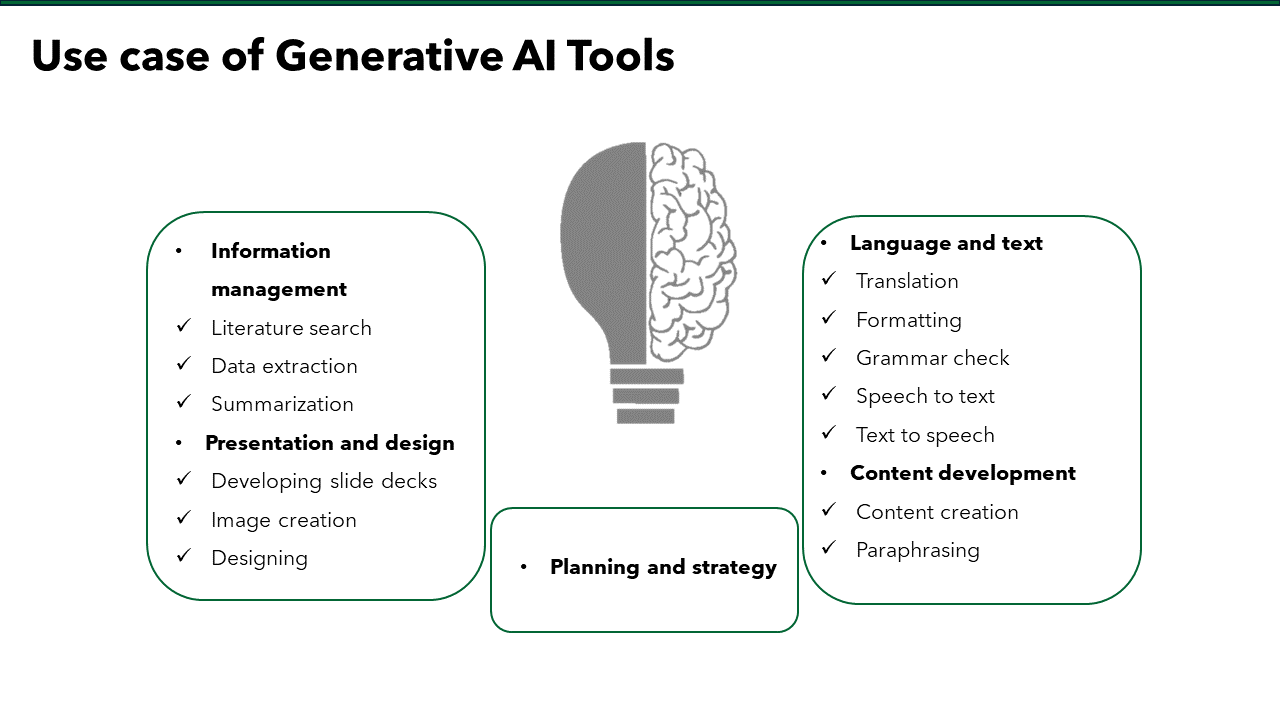
- Literature searching and surfacing: AI can help generate search terms, identify potentially relevant papers, organize themes, and gather background information during the early stages of research.
- Outlining: It can turn a topic or an agreed set of messages into a rough structure and produce a first-pass draft for suitable sections.
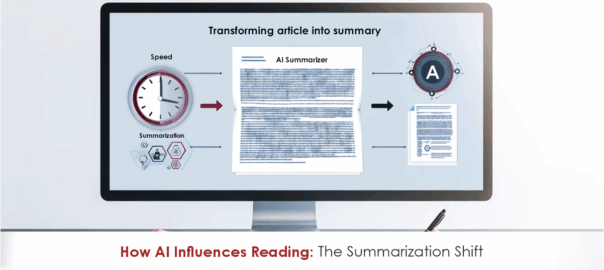
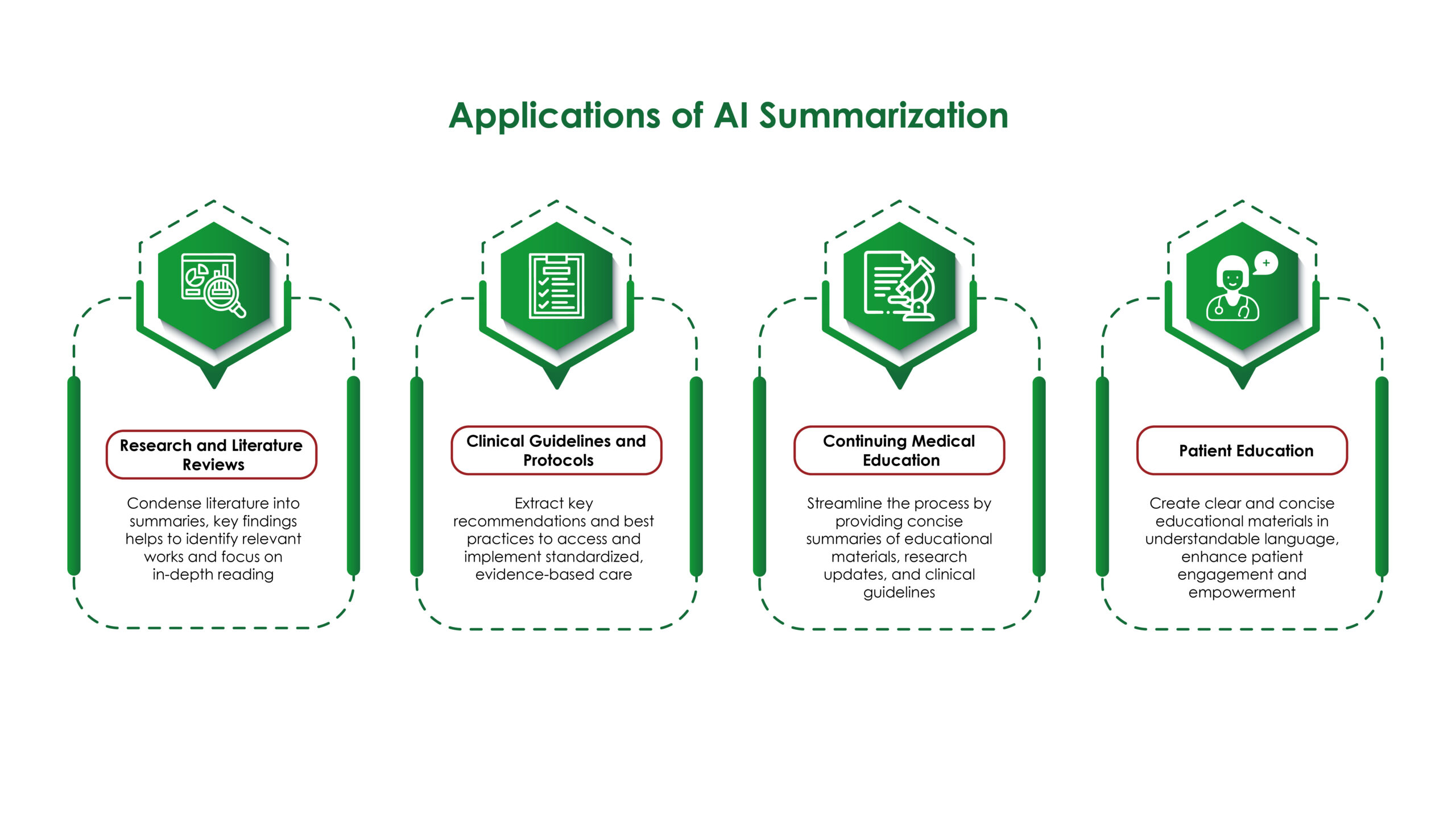
- Summarizing information: AI can condense lengthy text, extract key points, compare sources, and create shorter working summaries.
- Language and consistency checks: It is useful for identifying awkward phrases, repeated wording, grammatical errors, and inconsistencies in terminology, abbreviations, capitalization, and formatting.
- Content restructuring: AI can help reshape existing content, for example, by turning slide content into a manuscript outline or breaking a long section into clearer subsections.
- Formatting and administrative tasks: Reference formatting, template population, basic table preparation, and other repetitive tasks can often be completed more efficiently with AI in the loop.
These may not be the most glamorous uses of AI, but in day-to-day medical writing, they are often among the most practical.
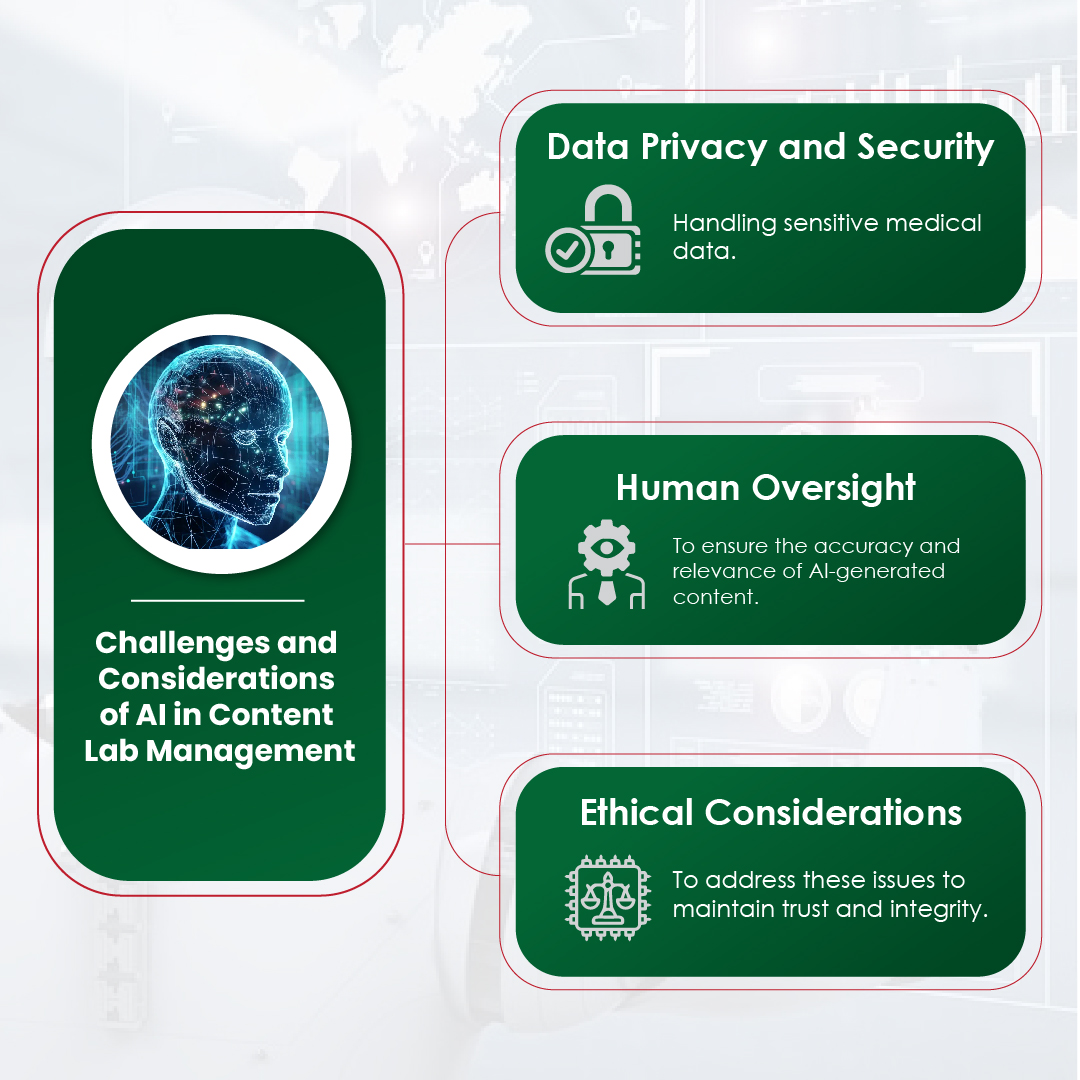
Where AI creates risk
The problem begins the moment AI output is treated as correct simply because it sounds convincing.
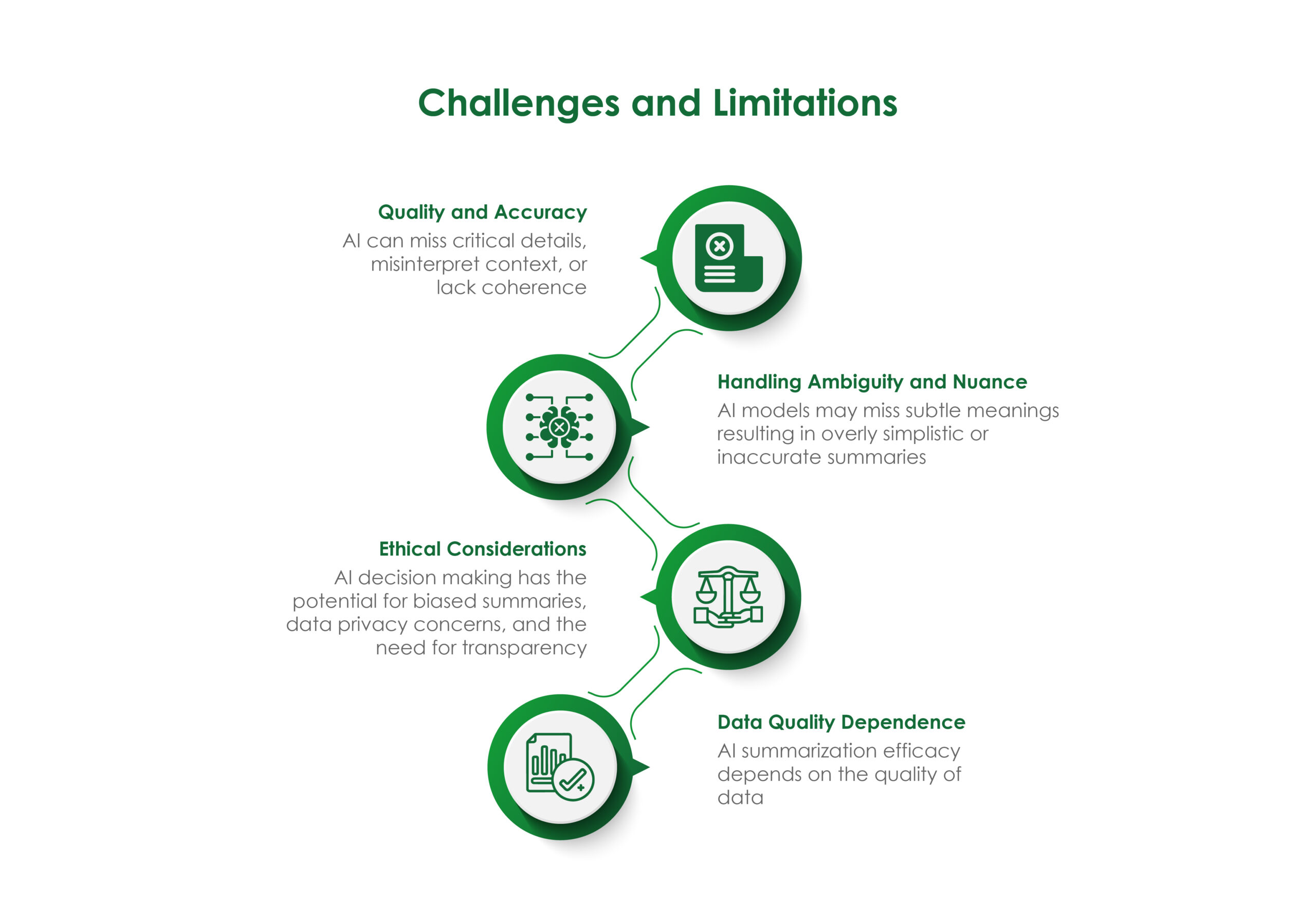
- Fabricated or inaccurate information: AI can generate references, statistics, and scientific statements that appear credible but are inaccurate. Every claim and citation therefore needs to be verified against the original source.
- Loss of scientific nuance: Two studies may appear nearly identical in a summary while differing substantially in population, design, endpoints, or methodology. These differences can completely change how the evidence should be interpreted.
- Confidentiality risks: Unpublished results, client intellectual property, patient information, or other confidential material can be exposed if entered into an inappropriate AI tool.
- Bias and lack of context: AI may produce fluent text without understanding therapeutic-area nuances, regulatory sensitivities, or the objective of a particular communication.
- Overreliance: Accepting AI-generated summaries or interpretations without comparing them with the source can gradually replace critical thinking with convenience.
- Authorship and accountability: AI can generate content, but it cannot take responsibility for scientific accuracy. That is why ICMJE clearly states that AI and AI-assisted technologies should not be listed as authors (ICMJE, 2026).
This is where human verification becomes non-negotiable.
Our approach is not “AI does the work.”
It is “AI helps us work more efficiently, while humans remain accountable for the final work.”
Our Human-Verified AI Protocol
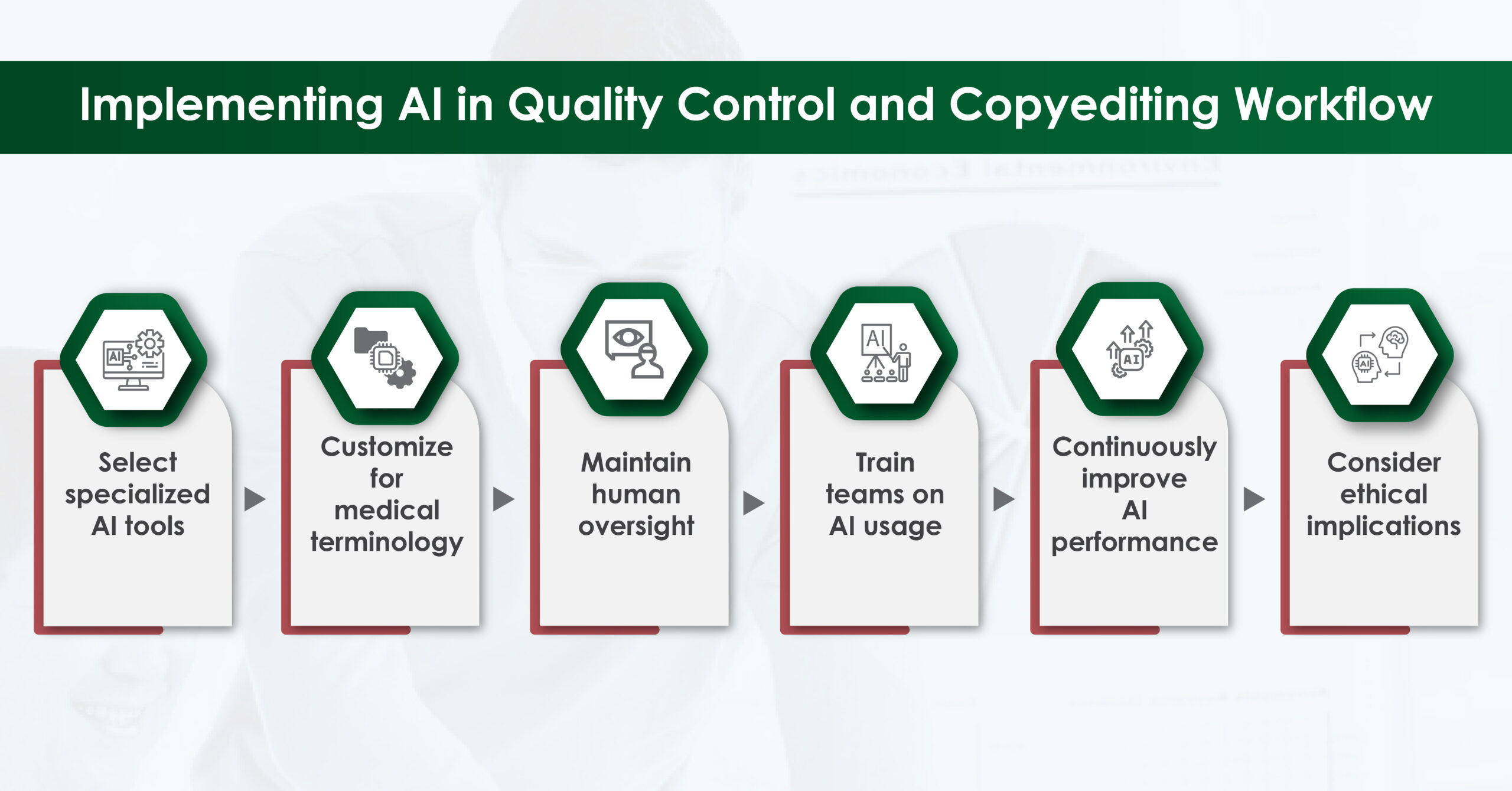
AI is already part of how we work, but it operates within a protocol, not a free-for-all.
Here is how we govern its use:

1. Tiered use based on data sensitivity
Whether AI is appropriate depends on the information involved. Nonsensitive tasks may be suitable for approved general-purpose AI tools. Anything involving confidential client information, unpublished findings, or sensitive data is either anonymized first or kept out of AI-assisted workflows entirely, unless a properly vetted environment is available.
2. No raw client data as input
Unpublished results, intellectual property, identifiable patient information, and identifiable client information never go into AI tools in raw form. Where AI assistance is appropriate, the information is de-identified or anonymized first.
3. AI drafts, humans finalize
Every AI-assisted output gets reviewed and edited before it becomes part of a final deliverable. A fluent AI-generated draft is still just a draft.
4. Independent fact and citation verification
AI-generated claims, numbers, and references are checked against reliable sources. Where a primary publication exists, verification is performed against it rather than against an AI-generated summary.
5. Disclosure and transparency
We document how AI was used and follow the relevant client, journal, and publication guidelines. ICMJE’s current recommendations call for transparency about which AI tool was used and why whenever AI plays a role in scholarly publishing (ICMJE, 2026).
6. Confidentiality agreements explicitly cover AI use
AI should not sit in a contractual gray area. Both the agency and the client should have clear expectations regarding approved tools, confidential information, and AI-assisted processing.
7. Continuous training and audit
AI tools keep evolving, as do journal policies and client expectations. Our teams train continuously, and AI-assisted workflows are periodically reviewed rather than governed by a policy written once and forgotten.
8. Developing our own in-house AI tools
We are also building in-house AI tools tailored to the specific needs of medical writing and medical communications. These tools aim to provide more controlled workflows for tasks including drafting support, QC, literature organization, and content consistency, while keeping data handling, access, and governance within clearly defined limits.
The protocol will keep evolving as the technology does.
The principle behind it will not:
AI can accelerate our work. Humans remain accountable for it.
What this means for clients
When choosing a medical communications partner, asking whether the agency uses AI is no longer enough.
Ask how it uses AI.
For clients, our Human-Verified AI Protocol translates into four practical assurances:
- Speed without exposure: We use AI where it improves efficiency without unnecessarily exposing confidential information or intellectual property.
- Accuracy before delivery: AI-assisted content is reviewed and verified before it reaches the client—not after an error is discovered.
- Compliance built into the workflow: Publication, disclosure, and journal requirements are considered during the work rather than added at the end.
- Confidentiality that keeps pace with technology: AI use is addressed explicitly because data-handling practices need to evolve alongside the tools themselves.
AI is reshaping medical writing. Pretending otherwise would not make much sense.
But using every new tool simply because it exists would make even less sense.
For me, the question that once felt worrying, “Will AI replace medical writers?”, has changed.
After years in this field, I see AI less as a replacement for medical writers and more as another tool we need to learn to use well.
The real differentiator will not be whether a writer or an agency uses AI.
It will be whether they know where to use it, where not to use it, and when a human needs to step in and check.
That is what human-verified AI means to us.
Frequently asked questions
Does Turacoz use AI to write medical content?
Yes. We use AI to support appropriate tasks such as outlining, summarizing, literature organization, data extraction, and QC. However, AI-generated content is never treated as final without human review.
How is AI-assisted content verified before it reaches a client?
All AI-assisted content is reviewed by medical writing professionals. Scientific claims, data, and references are checked against reliable sources, with primary publications used wherever available.
How does Turacoz protect confidential information when using AI?
Confidential client information, unpublished data, and identifiable information are never entered into AI tools in raw form. AI use follows defined data sensitivity, anonymization, and confidentiality requirements.
Want to know how our Human-Verified AI approach could support your next medical communications project? Get in touch with us.
AUTHOR

Anju Dhiman
MS (Hons.); pursuing Part-time PhD in Health Sciences
Medical Writer – AI & Innovation, Turacoz Group
Anju Dhiman is a Medical Writer – AI & Innovation at Turacoz Healthcare Solutions, with more than two years of experience in medical communications. Her expertise includes clinical manuscripts, consensus articles, systematic literature reviews (SLRs), advisory board deliverables, and digital content. She has supported diverse Medical Affairs teams across a range of scientific communication needs. She is also involved in the development and application of AI tools and workflows to enhance efficiency and innovation in MedComms.
References
International Committee of Medical Journal Editors (ICMJE). (2026). Recommendations for the Conduct, Reporting, Editing, and Publication of Scholarly Work in Medical Journals. Updated January 2026.
Wiley. (2025). ExplanAItions 2025: The evolution of AI in research—Key findings. Wiley.









































































 Module 1: Administrative and prescribing information

 Challenges and Considerations in CSR Preparation
 The Future of CSR