Introduction
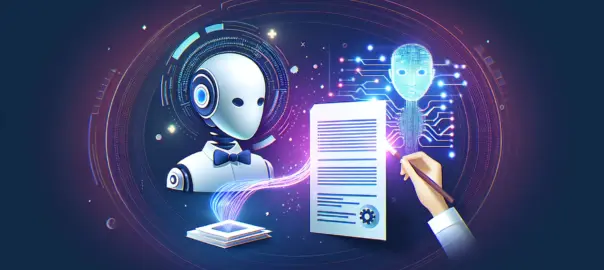
The landscape of medical writing is undergoing a significant transformation with the advent of artificial intelligence (AI). This pivotal shift is not just changing the way medical documents are created but is also redefining the roles and skills required of medical writers. In this blog, we will explore how AI is reshaping medical writing and what this means for owners and stakeholders in the healthcare and pharmaceutical industries.
The Role of AI in Medical Writing Today
The integration of AI into medical writing is revolutionizing the creation of medical documents. AI applications span from automating routine tasks to enhancing the accuracy and efficiency of document production. This section delves into how AI is currently being utilized in medical writing and the benefits it brings to the table.
Overview of AI Applications in Medical Writing
AI tools in medical writing are primarily used for data analysis, language processing, and content generation. These tools can sift through vast amounts of medical data to identify relevant information, ensuring that medical writers have access to the most current and comprehensive data available.
Benefits of AI for Efficiency and Accuracy
AI significantly enhances the efficiency and accuracy of medical documents by:
- Reducing the time required to compile and synthesize information,
- Minimizing human errors in data interpretation,
- Providing suggestions for language and structure improvements.
Examples of AI Tools Currently in Use
Several AI tools are making waves in the medical writing field, such as Grammarly for grammar and style checks, EndNote for managing citations, and custom AI solutions for analyzing clinical trial data.
Impacts on Regulatory Documentation and Compliance
Regulatory documentation and compliance are critical aspects of medical writing. AI is playing a pivotal role in streamlining these processes, ensuring that documents meet the stringent requirements set by regulatory bodies.
How AI is Improving Regulatory Document Creation
AI tools are now capable of automating the creation of regulatory documents, reducing the manual effort required and ensuring that the documents adhere to the latest regulations.
AI’s Role in Ensuring Compliance with Regulations
AI systems can keep up-to-date with regulatory changes and automatically adjust document templates to meet these new requirements, significantly reducing the risk of non-compliance.
The Future of Regulatory Submissions with AI
The future looks promising with AI potentially transforming regulatory submissions into a more streamlined, efficient process, allowing for quicker market access for vital medications and treatments.
Enhancing Research and Clinical Trial Documents
AI’s role in medical writing extends into the realm of research and clinical trials, where it can have a profound impact on the synthesis and analysis of clinical trial data and the quality of research documents.
AI in Synthesizing and Analyzing Clinical Trial Data
AI technologies are capable of processing vast amounts of clinical trial data, identifying patterns and correlations that might be missed by human analysts. This capability is crucial for the accurate interpretation and presentation of trial results.
Improving the Quality and Speed of Research Documents
With AI, the synthesis of research findings into documents is not only faster but also more comprehensive, leading to higher-quality research documentation that can accelerate the approval process for new medical treatments.
Case Studies: AI’s Impact on Clinical Research Documentation
There are numerous case studies demonstrating how AI has streamlined the creation of clinical research documents, improving the speed and reliability of the findings reported.
Skill Shifts for Medical Writers in the AI Era
The advent of AI in medical writing necessitates a shift in the skill set required for medical writers. This new era calls for an amalgamation of traditional writing skills and technological proficiency.
New Skill Sets Required for Medical Writers
Medical writers now need to be proficient in:
- Understanding and applying AI tools in their work,
- Interpreting AI-generated data and insights,
- Maintaining the accuracy and integrity of AI-aided documents.
The Importance of AI Literacy in Medical Writing
AI literacy has become an indispensable skill for medical writers, enabling them to leverage AI tools effectively and responsibly in the creation of medical documents.
Training and Transitioning for Medical Writers
Organizations must invest in training programs to equip their medical writing teams with the necessary AI skills, ensuring a smooth transition into this new era of medical documentation.
Ethical Considerations and Future Prospects
As we embrace the integration of AI in medical writing, it is crucial to address the ethical concerns that accompany its use and to look forward to the potential advancements in this field.
Addressing Ethical Concerns with AI in Medical Writing
Ensuring the responsible use of AI involves safeguarding patient data privacy, maintaining transparency in AI-generated content, and preventing biases in AI algorithms.
Potential Future Advancements in AI for Medical Writing
The future may hold more sophisticated AI tools that can further enhance the accuracy, efficiency, and comprehensiveness of medical documents, potentially even offering predictive insights based on current medical data.
Preparing for the Future: Strategies for Owners and Stakeholders
Owners and stakeholders in the healthcare and pharmaceutical industries need to stay informed about AI advancements, invest in AI technologies, and foster a culture of continuous learning and adaptation among their medical writing teams.
Conclusion
The emergence of AI in medical writing is not just a technological upgrade but a revolutionary change that demands adaptation and foresight. For owners and stakeholders in the medical writing domain, embracing AI is no longer optional but a necessity to stay relevant and competitive. As we navigate through this new era, staying informed and agile will be key to leveraging AI’s full potential in medical writing. Let’s embark on this journey together, exploring and harnessing the power of AI to redefine the boundaries of medical writing.
Embrace the future of medical writing with AI, and let’s lead the charge towards a more efficient, accurate, and innovative era of medical documentation.